
Number of zones
Each zone needs its own valve, wiring, and controller station. A property with varied sun, shade, slope, and planting needs more zones — and waters far better as a result.
New systems, coverage fixes, repairs
Sprinkler systems planned around how your property is actually zoned, watered, and used.
The short version
We plan around water source, pressure, and the way each area of the property is used rather than dropping heads on a grid.
Local conditions
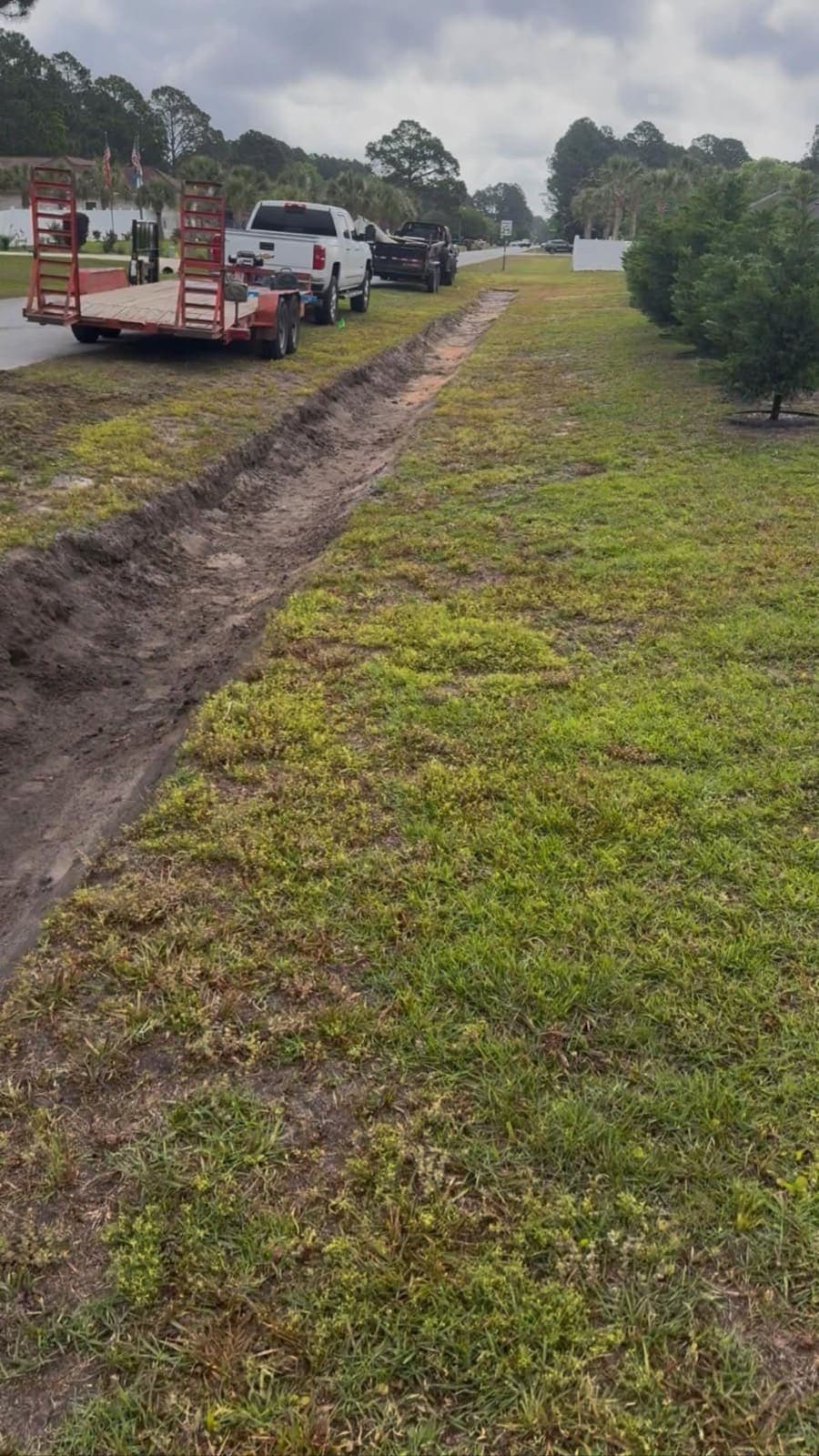
It seems odd to irrigate somewhere that gets more than four feet of rain a year. The reason is distribution: our rainfall arrives in heavy bursts with dry stretches in between, and sandy soil holds very little of it. A lawn can go from saturated to stressed inside a week, particularly in summer.
Most systems we are asked to look at do not have a supply problem, they have a design problem. Heads laid out on an even grid across a property that is not evenly shaped, sunny, or sloped will always over-water somewhere and under-water somewhere else. Sun and shade dry out at completely different rates. Turf and planting beds want different amounts of water delivered in different ways. Slopes shed before they absorb.
The other half of the problem is pressure. Every head on a zone shares the available flow, so a zone with too many heads leaves all of them under-performing — a fine mist that evaporates before it reaches the ground and never soaks in. That looks like a coverage failure and is really an arithmetic failure at the design stage.
Recognise any of these? Send a photo — we can usually tell you from the picture whether it needs looking at soon.
How we work
No mystery, no surprises. This is the order it happens in and what each stage is actually for.
Available flow and pressure set a hard ceiling on how many heads can run at once. Everything else in the design follows from this measurement, which is why it happens first rather than last.
Areas that dry at similar rates get grouped: full sun turf, shaded turf, beds, and slopes each become their own zone. This is what makes it possible to water each area appropriately instead of compromising across all of them.
Head type and spacing are chosen for the shape and size of each zone, laid out so spray patterns overlap. Under-lapped heads leave dry gaps between them, which is the classic cause of ring-shaped brown patches.
Line is trenched, valves are set in accessible boxes, and heads are set to the correct height so they clear the grass when running and sit below mower height when they retract.
Zones are programmed with run times appropriate to their soil, exposure, and plant type. On sandy soil, shorter and more frequent generally beats long and occasional, because water beyond what the soil can hold simply drains past the root zone.
We run the whole system, watch the actual spray patterns, and adjust arcs and radii. Heads watering the driveway and the fence are the most common thing we correct on other people's systems.
Pricing
Irrigation cost is driven by the number of zones and the amount of trenching, which are functions of the property's size and shape rather than a simple area calculation.
Each zone needs its own valve, wiring, and controller station. A property with varied sun, shade, slope, and planting needs more zones — and waters far better as a result.
The total length of line, and whether it has to cross driveways, walkways, tree roots, or existing utilities.
If the supply is limited, the design needs more zones running fewer heads each, which increases valve and wiring cost.
Rotors, sprays, and drip for beds differ in cost and in how many are needed for a given area.
A basic timer and a modern controller are different money. On existing systems, whether we are repairing a sound design or replacing a bad one is the biggest single variable.
A new residential system is typically two to four days depending on zone count and trenching distance. Repairs and coverage corrections on an existing system are usually much shorter — often a single visit.
The lawn recovers from trenching within a few weeks. We would rather take an extra half day getting the zone programming and head adjustment right than leave you with a system that technically runs but waters the fence.
Free estimate, no obligation, and an honest answer about whether it is worth doing.
What to watch for
Worth knowing before you hire anyone — including us. If a quote you are looking at skips these, ask why.
The most common design failure. Splitting the available pressure too many ways gives every head on the zone a weak, misting spray that evaporates and never soaks in.
Shaded turf needs substantially less water than full sun. Running them together guarantees one is wrong — usually the shade is over-watered into fungal problems while the sun still burns.
Spray patterns are designed to overlap. Spaced to just touch, they leave dry rings between them that show up as brown patches nobody can explain.
Sand cannot hold a large volume. Water applied faster than the soil can absorb it drains straight past the roots. Shorter, more frequent cycles deliver far more usable water.
A schedule that suits August is wrong in March. Systems that never get adjusted seasonally either waste an enormous amount of water or stress the lawn.
Questions
Something not covered here? Ask us directly — we would rather answer it than have you guess.
Ask about your projectUsually coverage rather than run time. Common causes are heads spaced too far apart to overlap properly, too many heads on one zone starving the pressure, a blocked or misaligned head, or sun and shade sharing a zone. It is diagnosable by running the system and watching it, which is what we do first.
Often, yes. If the underlying zoning is sound, a lot of coverage problems come down to head adjustment, replacing failed heads, or splitting one overloaded zone. If the original design was wrong, we will tell you that honestly rather than charging you to patch it repeatedly.
It depends on available pressure and how varied the property is. More zones is generally better watering, because each area gets a schedule suited to its own light, soil, and planting rather than a compromise. Available flow sets the practical limit.
Early morning is best. Watering in the heat of the day loses a lot to evaporation, and watering in the evening leaves foliage wet overnight, which encourages fungal disease in our humidity.
Yes, and beds are usually better served by drip than by spray. It puts water at the root zone with far less evaporation and keeps foliage dry, which matters in a humid climate.
Yes. Seasonal adjustment is the single easiest way to save water and keep the lawn healthy. We will show you what to change and when so you are not guessing.
Often paired with
These jobs disturb the same ground. Doing them together usually costs less than doing them one at a time.
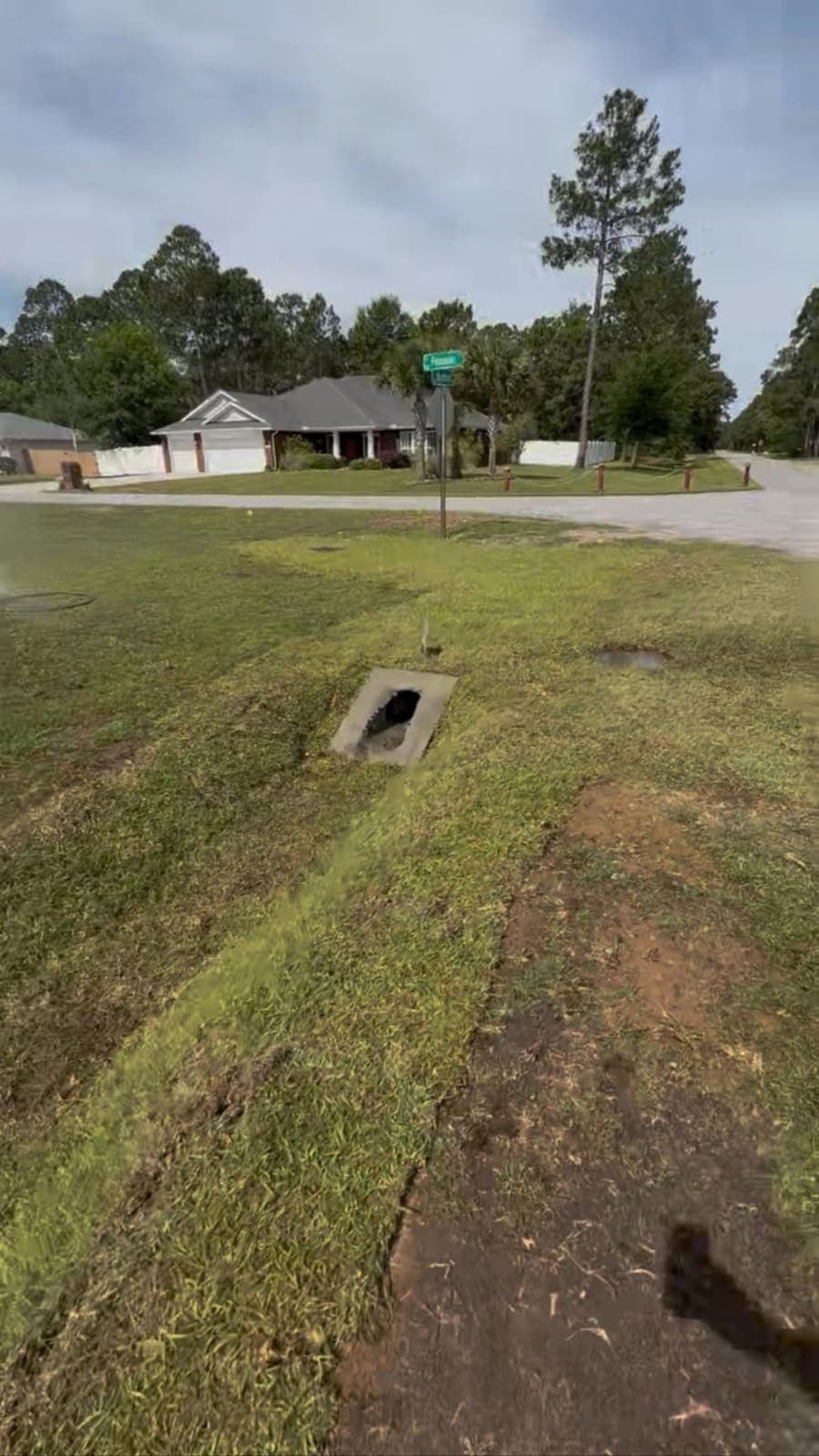
Graded, prepped, and laid sod that takes root — including restoring the ground after drainage or concrete work.
Learn more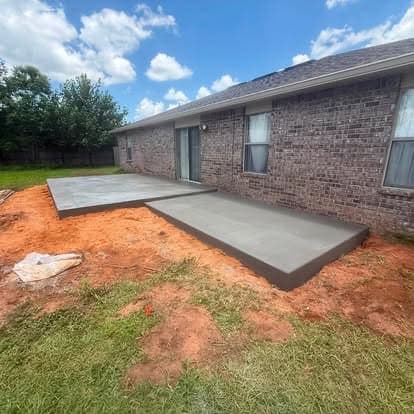
The finishing work that makes a property look intentional — beds, borders, ground cover, and full site cleanup.
Learn more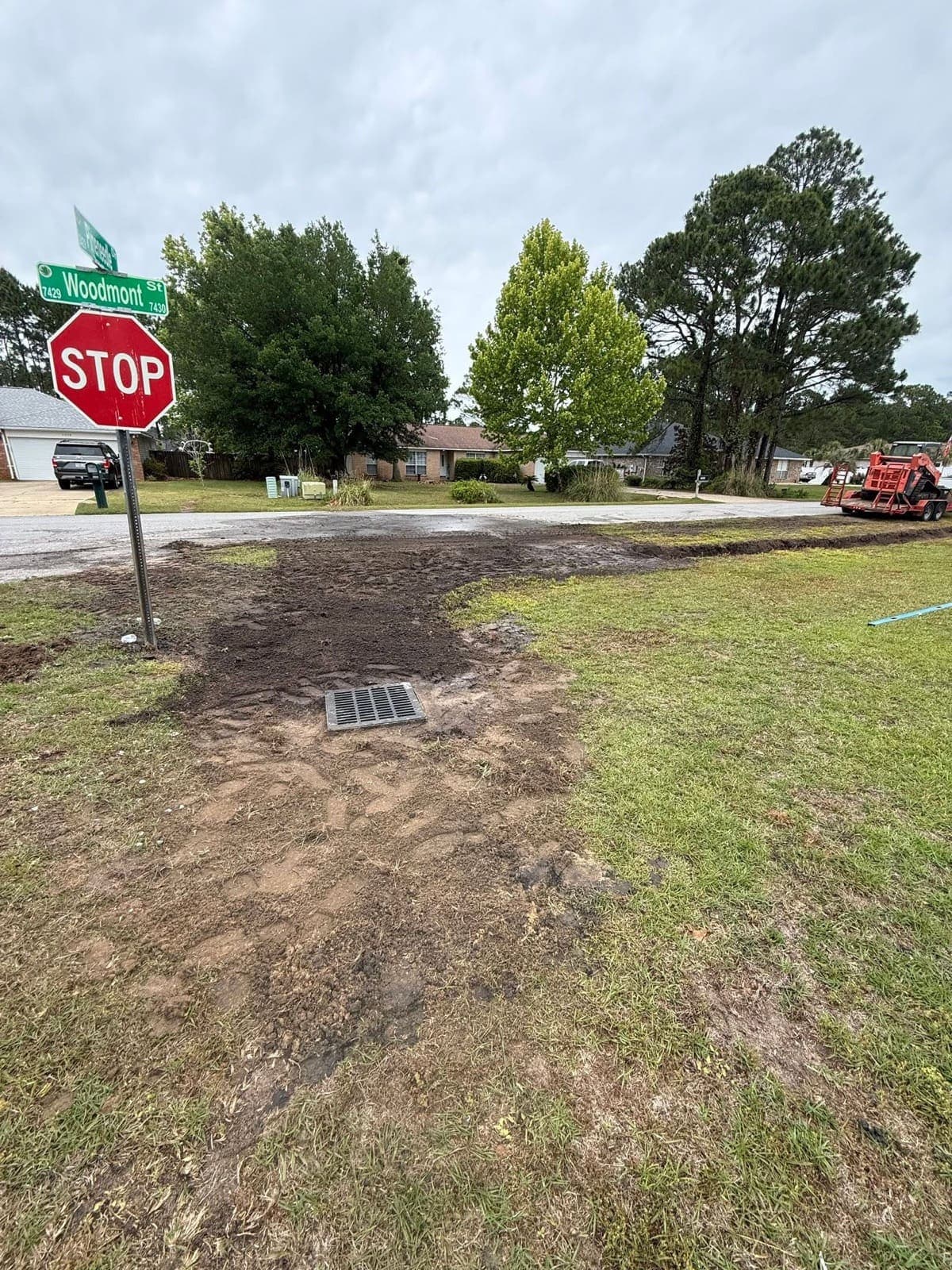
Catch basins, buried drain lines, and regrading that move water away from your foundation instead of into it.
Learn moreFree estimate
Send a couple of photos and a sentence. We will tell you honestly whether it is something we should come look at — and what it is likely to take.