
Area and amount of clearing
A property that has been maintained is quick to reset. One that has been left for several seasons needs substantial removal before anything constructive happens.
Beds, borders, cleanup, restoration
The finishing work that makes a property look intentional — beds, borders, ground cover, and full site cleanup.
The short version
We handle it as the final stage of a project so grading, drainage, and hardscape all end up working with the planting instead of against it.
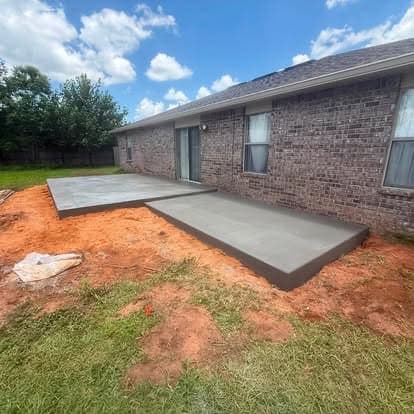
Local conditions
Land services work here has to contend with heat, humidity, heavy seasonal rain, sandy soil that holds neither water nor nutrients well, and a growing season long enough that anything you plant — intended or not — grows enthusiastically. Beds that are not properly edged and mulched do not stay tidy for a season; they blur into the lawn within months.
Heavy rain is the other constant. Mulch on a slope with no edge to hold it washes into the driveway with the first real storm. Beds cut below the surrounding grade collect water and drown whatever is in them. Both are avoidable, and both are the result of treating the planting as decoration applied at the end rather than as the finish of a graded, drained site.
We treat this work as the last stage of a property project rather than a separate trade. When grading, drainage, and hardscape have already been handled properly, the planting and finishing work sits on top of something that functions — and it stays looking intentional a great deal longer.
Recognise any of these? Send a photo — we can usually tell you from the picture whether it needs looking at soon.
How we work
No mystery, no surprises. This is the order it happens in and what each stage is actually for.
Where water goes, where the sun falls, how you move around the property, and what you actually want to look at from inside the house. Bed shapes that ignore all of that never look right no matter what goes in them.
Overgrowth, dead material, old mulch, and construction debris come out. Beds that have lost their shape get reset to a defined line.
A crisp, defined edge is most of what separates a maintained property from an unmaintained one. It also physically holds mulch in the bed instead of on your driveway after the next storm.
Sandy soil holds very little water or nutrient. Amending the planting area gives new plants something to establish into rather than asking them to survive in what is effectively beach sand.
Planting goes in at the right depth and spacing for mature size, not for how it looks the day it is installed. Mulch follows at a sensible depth — enough to hold moisture and suppress weeds, not piled against stems where it causes rot.
Hard surfaces blown and washed down, debris hauled off, the site left finished. This is part of the job, not an extra.
Pricing
The cost of land services is mostly labor and material volume. The scope is genuinely flexible, so it is worth telling us your budget — we would rather do part of a property properly than all of it thinly.
A property that has been maintained is quick to reset. One that has been left for several seasons needs substantial removal before anything constructive happens.
Bed edging is priced by linear foot and by type. It is also the detail with the highest visual return per dollar on most properties.
Both are bulk materials priced by volume, driven by bed area and depth.
Species and container size. Larger stock gives immediate effect at a real premium; smaller stock costs far less and catches up faster than most people expect.
If beds are holding water or the grade is wrong, that has to be corrected before planting or you are installing something with a limited life.
Most residential land services and property finishing jobs run one to three days depending on the amount of clearing and the area being planted. Cleanup and restoration after other construction work is often a single day.
Plants need a season to settle in and look established, and new plantings need consistent watering through that first period — especially through a Gulf Coast summer. What looks sparse on the day of installation generally should, if it has been spaced for mature size.
Free estimate, no obligation, and an honest answer about whether it is worth doing.
What to watch for
Worth knowing before you hire anyone — including us. If a quote you are looking at skips these, ask why.
Beds packed tight look excellent for one season and become a crowded, competing mess by year three. Correct spacing looks slightly bare at first. That is the point.
Mulch volcanoed up around a trunk holds moisture against bark and causes rot and pest problems. Mulch goes in the bed, pulled back from stems.
Without a physical edge, grass creeps in, mulch washes out, and the bed loses its shape within a season. Edging is the cheapest maintenance decision on the property.
Sandy soil drains fast and holds very little nutrient. Plants installed straight into it are permanently dependent on irrigation and feeding to survive.
Attractive planting around a low spot that floods is a short-term arrangement. The water has to be dealt with first.
Questions
Something not covered here? Ask us directly — we would rather answer it than have you guess.
Ask about your projectWe do practical property finishing — bed shaping, edging, ground cover, planting-area preparation, and cleanup — rather than formal design packages. If your project needs a detailed planting design, we will tell you and can work from a design somebody else has prepared.
Yes. Post-construction restoration is a regular part of what we do — regrading, restoring the disturbed ground, resetting beds, and getting the property back to looking finished.
Species suited to heat, humidity, sandy soil, and periodic heavy rain do best, and native and Florida-friendly selections are generally the lower-maintenance choice. We will make recommendations based on your specific light, soil, and how much upkeep you want.
Enough to hold moisture and suppress weeds without smothering the soil — and pulled back from stems and trunks rather than piled against them. Too much mulch causes as many problems as too little.
After. Drainage and grading disturb the ground that planting beds sit on, so doing the work in the wrong order means paying twice for the same beds.
Our work is installation and restoration rather than ongoing lawn maintenance. We will tell you plainly what the planting needs to establish so you or a maintenance service can look after it properly.
Often paired with
These jobs disturb the same ground. Doing them together usually costs less than doing them one at a time.
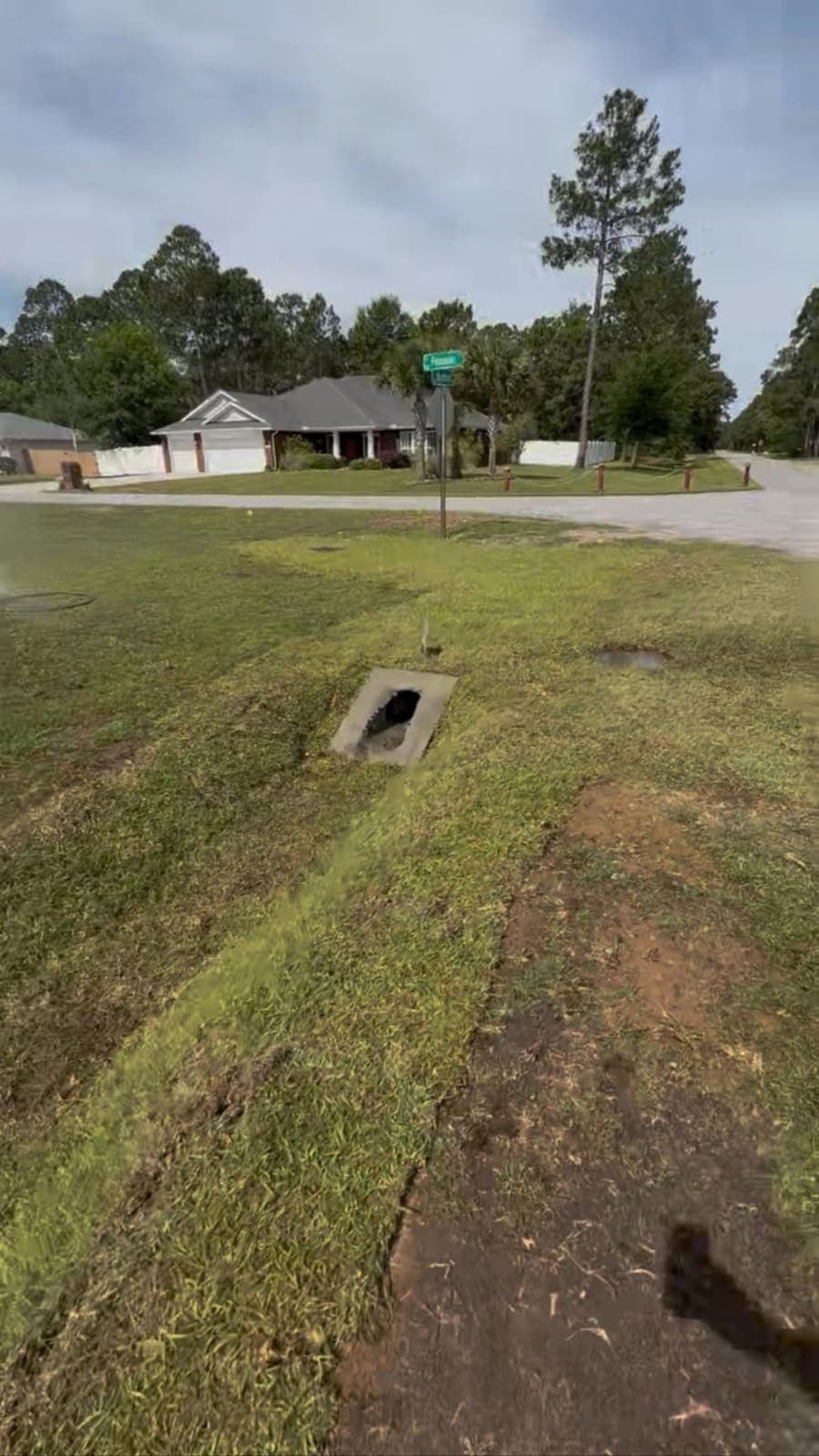
Graded, prepped, and laid sod that takes root — including restoring the ground after drainage or concrete work.
Learn more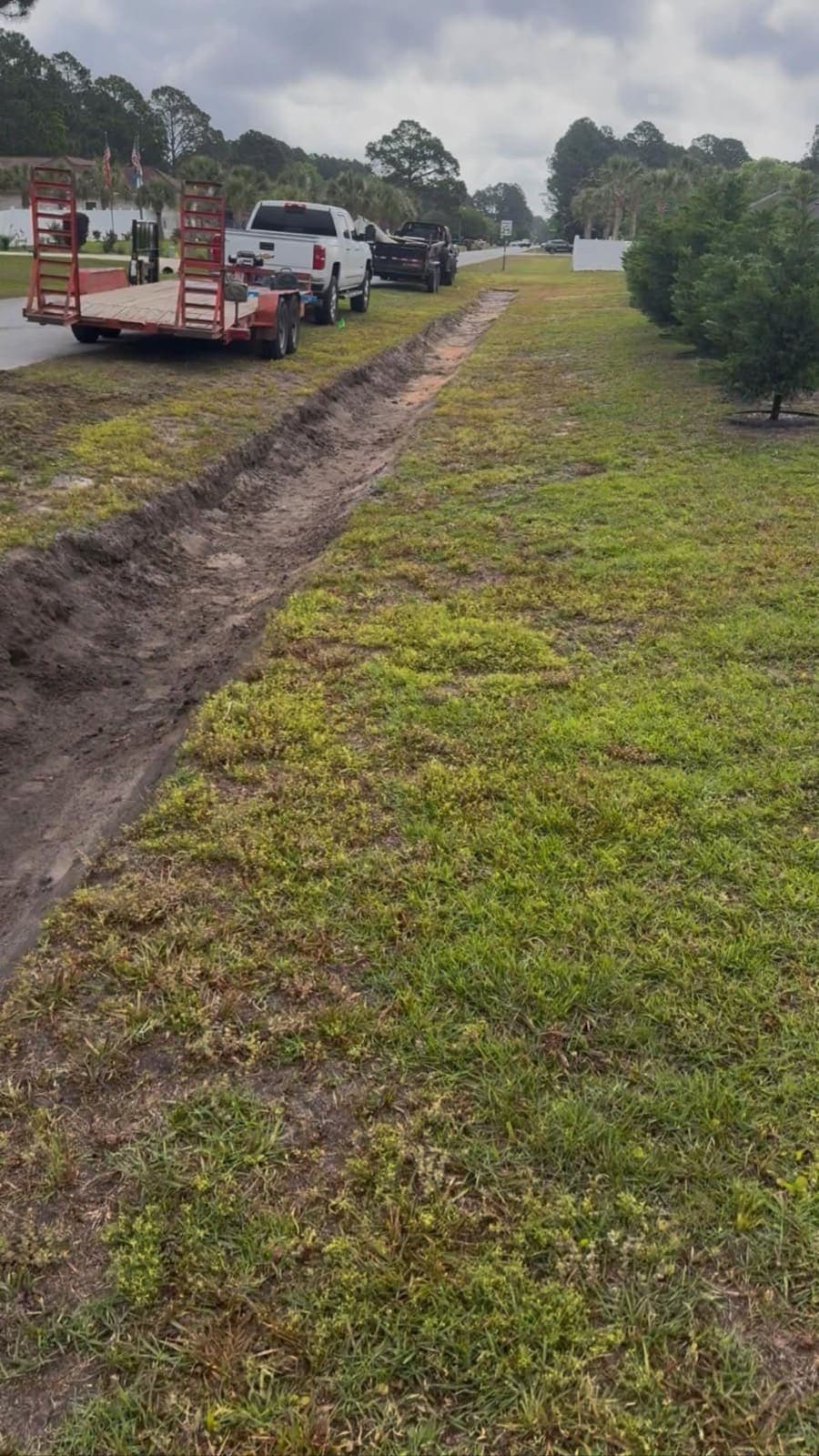
Sprinkler systems planned around how your property is actually zoned, watered, and used.
Learn more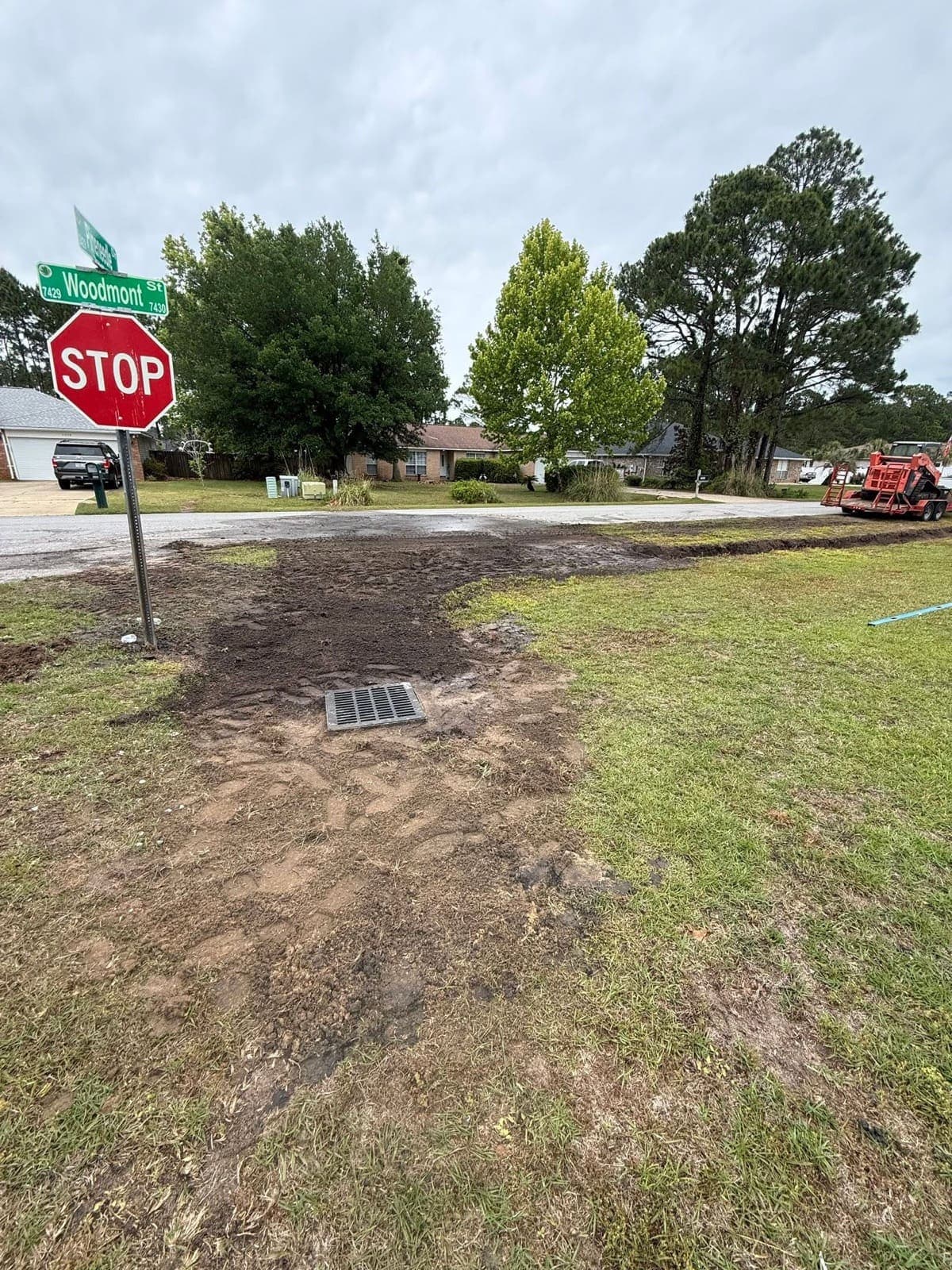
Catch basins, buried drain lines, and regrading that move water away from your foundation instead of into it.
Learn moreFree estimate
Send a couple of photos and a sentence. We will tell you honestly whether it is something we should come look at — and what it is likely to take.